
Ring-tailed coatis

(Nasua nasua)

Individuals
This release concerned 3 juvenile coatis. The youngest female weighed 700g when she arrived and was confiscated on a bus, being kept as a pet. The male weighed 900g upon arrival and was handed in voluntarily, but been a pet in the past. Finally, the oldest female weighed 1750g and had been kept as a pet as well. The youngest two were at the centre for around 5 months, and the older female for a month.
Housing and care
The coatis were housed in an enclosure of 3x2x2m during breaktime and overnight. During the day, they would go out with a caretaker. At the start their enclosure was cleaned once a day and they would receive food once a day. They were on a diet of various fruits and got dead wood every day. Also, the got daily enrichments which varied. As they were getting closer to release, their food was reduced as they spent their days outside foraging.

Release site
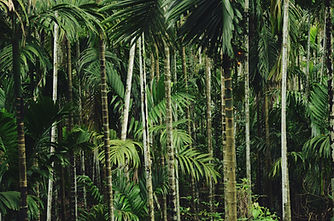
A habitat assessment was executed to see if it was adequate for release. Several water sources have been located in proximity of the release site, fruiting trees were found around the site and tested in their diet. Furthermore, the release site is located at an altitude of 1300m above sea level. Coati's can be found up to 2500m above sea level. The site is composed of 60% secondary forest and 40% primary forest. This species can live in a disturbed habitat and can live in close proximity to humans. Trap cameras were used to assess which possible predators and competitors for food were present in the area. The main predators of the coati's within the area are birds of prey, snakes and large cats. Their main competitors are other coati's and they have been spotted in the release area. Since coati's are omnivorous, this should not be an issue. Other rescued animals can be found around the release site such as parrots, monkeys, and kinkajous. They can be a cause of stress or danger.
The release site is located within the wildlife rescue centre of Merazonia in Ecuador. This is an area of 100 hectares (250 acres). The rescue centre is located between two national parks (Llanganates National Park and Sangay National Park).
The coatis were taken further away from camp to the release enclosure. They were released from there.
Pre-release adaptations
As soon as the coatis arrived at the centre they were taken out for around 8 hours a day. They were quite used to people, so they followed the caretaker around, without the use of a leash. The caretaker was there to support them and built their confidence outside, but never touched them or provided them with any attention. At the start the caretaker would have to show them places to forage, but over time the coatis found their own food. A special noise was made to guide them back to the enclosure at the end of the day. When the coatis tried to touch the caretaker, they would get scared away.
Over time, the coatis needed less support and ventured further away. When this started happening, the caretaker locked themselves in the release enclosure and let the coatis roam around by themselves. As the coatis started going off by themselves, the caretaker would take themselves away.
Before starting this whole process, bloods were taken to make sure they were healthy. Faecal samples were taken to make sure they were clear of parasites.


Post-release
Caretakers went up to the release enclosure for a week after the release and trap camera's were placed around the area. There have been no sightings of them since. The female that was released 2 months before the others had been seen once more, after a couple of days, in good condition. She chose to wander off by herself, but the two smaller ones needed a bit more time.
Things you would have done differently
This was a new concept for the centre and it worked out well. This gives hope for future releases of coati's in the area.
Other releases by Merazonia


